Field trips
Thematic workshops
Embark on a journey to Folwark Brodno’s thematic workshops, where the wonders of animals and plants intertwine.
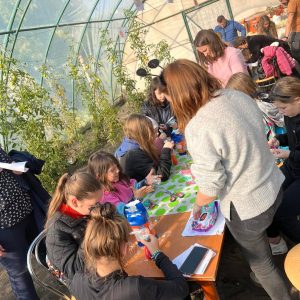
Workshop
Topics that arouse curiosity
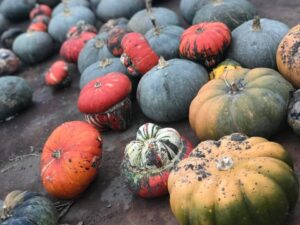
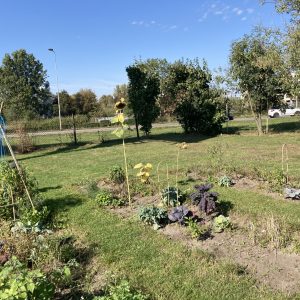
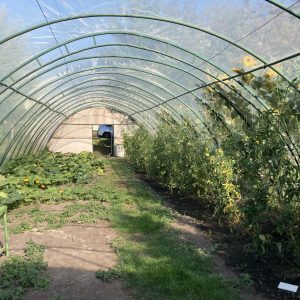
Explore the botanical kingdom by identifying a variety of plant species, solving botanical puzzles and discovering the fascinating properties of pumpkins. Take part in sensory experiences, nature games and experiments that reveal hidden links between flora and fauna.
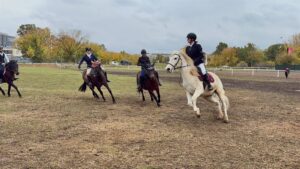
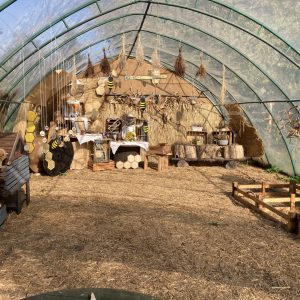
Our experienced animators tailor workshops to all ages, providing an engaging and educational experience for everyone. Enjoy pony rides, fireside snacks and integration games that support teamwork and respect for nature. Join us for an unforgettable adventure where science comes to life in the beauty of the farm.
Practical information
For groups of less than 15 people, the workshop fee is fixed and amounts to PLN 600.
In the months of September-October and May-June workshops are held after 12:00.
Proposed workshops
Explore a wide range of topics
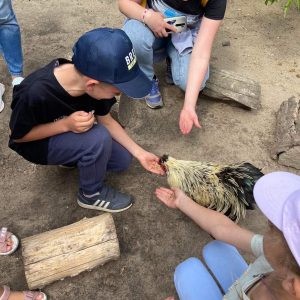
Stable, hen house and barn – who is hiding in this building?
- Learn about farm animals bred in both large and amateur farms.
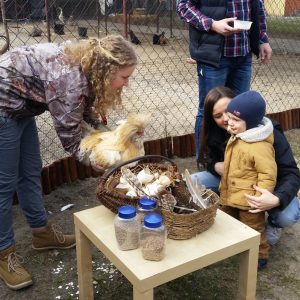
- Learn about poultry (what is poultry?; What are its species? What is an egg? And a lot of other interesting information).
- They can observe which animals have hooves, which have hooves, and which have paws.
- They have the opportunity to see how different species live.
- They will find out where the name ‘ornamental chickens’ comes from.
- They shape their sensitivity through contact with living animals.
- They form an attitude of respect for living beings.
Gifts of farm animals, or a few words about eggs, milk and wool
- gain knowledge about animal products (how we obtain them; how they are produced by animals; What role do they play in our daily lives?
- Learn how to distinguish animal products from each other.
- Have the opportunity to try goat's milk.
- they can observe how farm animals live and what they look like
- They learn respect for living things.
Life in the countryside - who will we meet when visiting the farm?
- Gain knowledge of farm animals bred in both large and amateur farms.
- Get knowledge about poultry (what is poultry?; What are its species? What is an egg? And a lot of other interesting information).
- They can observe which animals have hooves, which have hooves, and which have paws.
- They have the opportunity to see how different species live.
- They will find out where the name ‘ornamental chickens’ comes from.
- They develop their sensitivity through contact with live animals.
- They develop an attitude of respect for living beings.
Which came first, the egg or the chicken? From egg to chicken
- Get knowledge about poultry (what is poultry?; What are its species? What is an egg? What are the differences between eggs of different species of birds? And many other interesting facts).
- Gain knowledge about the process of incubation, embryo development in the egg and hatching chicks.
- Learn about the history of chickens hatched on the farm and you will have the opportunity to make friends with them.
- They have the ability to observe the behavior of individual poultry species.
- Find out the difference between chicken and water poultry and where the name ‘ornamental chickens’ comes from.
- They develop an attitude of respect for living creatures.
Everyone sees the horse as it is. A few words about the cooperation of a man with a horse
- Gain knowledge about horses, their breeding and horse riding.
- They have the opportunity to visit stables, saddle rooms, boxes and paddocks – in other words, all places related to horses and horse riding.
- Learn how to care for a horse and why it's important.
- Learn to respect living things.
- Develop your sensitivity through contact with live animals.
Something out of nothing: A few words about recycling
- Learn about waste recycling and segregation.
- Find out what actions and changes in habits can improve the condition of our planet.
- Learn how to do something completely different with everyday objects.
- Create toys and accessories for farm paddock from various objects, stimulating imagination, developing creativity and strengthening the concept of recycling.
- Develop empathy and sensitivity to the surrounding nature.
Feeder for animals
- Learn about the differences in nutrition of different species of animals living on the farm.
- Prepare a mixture of pet food and feed the selected species.
- Find out how and whether to feed wild or homeless animals at all.
- Find out about nutritional values and whether our pets need them.
- Develop your sensitivity through contact with live animals.
What do animals tell us?
- Find out how animals communicate.
- Develop methods for recognizing animal body language in different situations
- Find out if it is worth observing different animals and how to do it safely,
- Use the knowledge gained by observing and interacting with different species of animals on the farm.
Autumn pantry, or a few words about homemade products
Lorem ipsum dolor sit amet, consectetur adipiscing elite. Ut elite tellus, luctus nec ullamcorper mattis, pulvinar dapibus leo.
Homemade spices are the cure for everything
Lorem ipsum dolor sit amet, consectetur adipiscing elite. Ut elite tellus, luctus nec ullamcorper mattis, pulvinar dapibus leo.
Additives
Improve your workshop
Add something special to make this day unforgettable for your students.
To add additional information, please enter it in the text box "Additional information" on the booking form.

Your ideas are important to us
If none of these topics suit your needs, tell us what you are looking for. We build workshops around your vision.
Why Nature-Based Science Is Effective
Children remember it better when they experience it in person. Outdoor workshops create memories that cannot be compared to textbooks, turning curiosity into real understanding.
Find answers
Frequently Asked Questions
How are thematic workshops different from seasonal ones?
Thematic workshops focus on a specific skill or craft (e.g. traditional bread baking or herbalism) and are available throughout the year, while seasonal workshops change with the calendar.
Can we offer our own workshop topic for our group?
Yes, it is! For organized groups, we can often tailor workshops to a specific school topic or project. Contact us to discuss your ideas.
What is the age range for thematic workshops?
Most are for primary school children (6-12), but we also have simplified versions for kindergartens and more advanced versions for young people.
Are the workshops practical or are they just demonstrations?
We believe in learning by doing. Each participant takes an active part in the process, whether by kneading the dough or creating handicrafts.
How big can a group be at a thematic workshop?
In order to maintain high quality, we usually work with groups of up to 25 people. Larger groups are divided and participate in different tasks on a rotating basis.
Do we have to take anything special to these workshops?
No, all professional tools and raw materials are provided on site. We only recommend an apron or clothing that may get a little dusty.
Didn't find the answer to your question?
Ready to go outside?
Choose your workshop, add additional options and let us take care of the rest. We will make it unforgettable.