
School trips
Zoological tour
Zoological tour
Get to know the animals up close
Our educators know the history of every creature. Students in our park and recreation area will see how animals live, understand their place in the natural world and much more.
In the program
- Visiting farms with farm animals with an animator
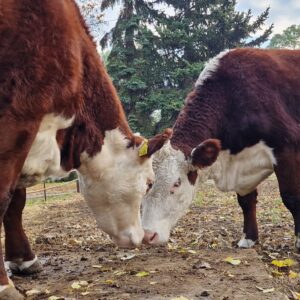
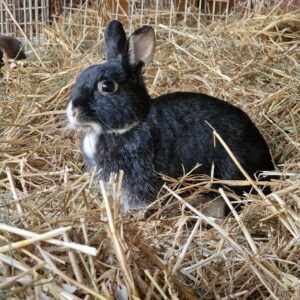
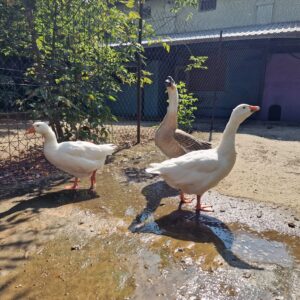
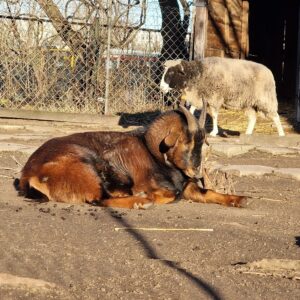
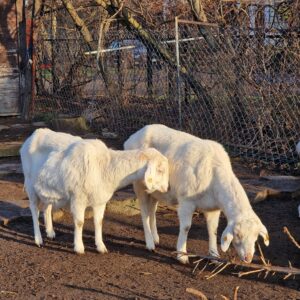
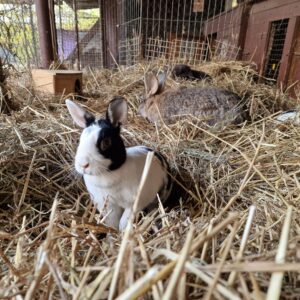
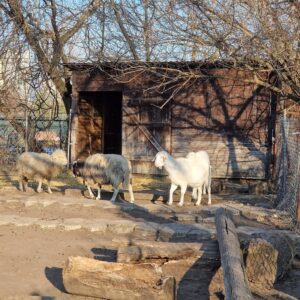
- We will pet and feed goats, touch sheep wool, see if every cow has horns, visit stables where ponies and horses live, hug a rabbit and look at chickens, geese, ducks and turkeys.
- A visit to the hut, where you will find egg incubation equipment and writing sets with a real bird feather.
- Getting to know free-living birds in the city
- We will get to know the species of birds living in our surroundings, learn their names and needs, see nesting boxes, learn when and how we should help birds,
- Nature games and games
- Together we will look for answers to interesting questions
- What is the difference between goats and sheep or chickens and ducks?
- What is the difference between a hoof and a claw?
- How should animals be taken care of?
- How many stomachs does a cow have?
- Conducting experiments
- Together we will find out why the egg shell is hard, why ducks have membranes between their fingers and chickens have claws, and how a warm sheep wool sweater is made.
- Pony/horse riding
- We will check our predispositions to be a young rider
- A bonfire with sausages,
- We will feel the festive atmosphere sitting by the fire
- Sports and integration games and games
- We will take part in sports and integration games that will be woven into all our educational activities.
Per person
Practical information
Depends on age:
3h30 for children up to 6 years
4h30 for children over 7 years old
Meet the animals
Every creature has its own history, customs and way of life in the world.
Respect for life
Understanding animals teaches children how to care for all living things.
Quiet the mind
Time spent with animals calms the noise and calms what afflicts young hearts.
Strength by Concern
Responsibility grows when children learn what animals need to survive and thrive.
Find answers
Frequently Asked Questions
What is the difference between a trip to the zoo in Folwark and a visit to a traditional zoo?
In contrast to traditional zoos, we focus on interaction. Children not only look through the fence, but learn about farm life, help with supervised feeding, and can often touch or comb animals.
What animals will children meet during the trip?
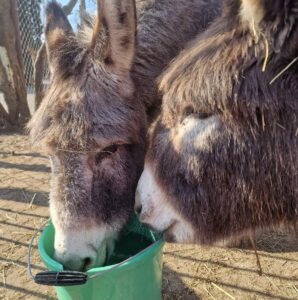
Our residents include horses, ponies, goats, sheep, rabbits and various farm birds. The selection of animals may vary slightly depending on the season and the well-being of the charges.
Can animals be fed their own food?
Due to the safety and health of our animals, we strictly prohibit feeding them with our own provisions. We provide appropriate, healthy delicacies for animals as part of guided classes.
Does the tour take place with a guide or do we visit the zoo ourselves?
The ‘Trip to the Zoo’ is a fully moderated educational programme. An experienced host leads the group, sharing fascinating facts and taking care of children's safe contact with animals.
Are there places to wash hands available after contact with animals?
Hygiene is a priority. We have designated hand washing stations and disinfection points, which children use immediately after the end of interaction with animals.
Is the "Zoo Trip" suitable for children with allergies?
If your child is allergic to animal hair or hay, please inform us in advance. Most activities take place outdoors, however, we recommend that caregivers of children with strong sensitivity take the necessary precautions.
Didn't find the answer to your question?
Book your visit today
Let your students experience the learning that stays with them long after they leave

